Where teams use Supervised
Supervised is most valuable where work is distributed, projects run in parallel, and leaders cannot wait for the next meeting to understand what is happening.
Growth companies
Stop relying on meetings for awareness, and surface blockers in hours, not weeks.
Concurrent projects
Gain a view that flags variance, not just status. Make at-risk projects visible at the start of the week, not at the end of a check-in.
Hybrid workforces
Gain passive signals on workload, blockers, and progress across both remote and in-office employees - without adding any reporting burden.
International teams
Start the day with a consolidated view of what happened, what's blocked, and what needs input before you log on.
Real-time visibility for leadership
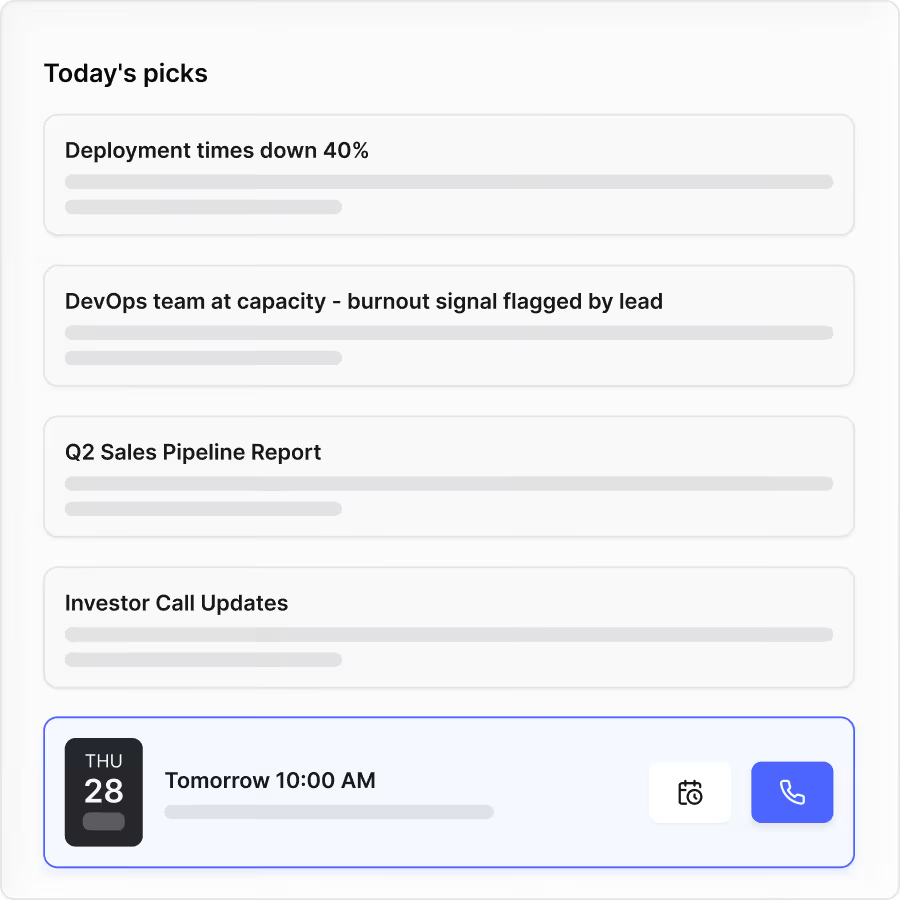
Leaders rarely see what’s happening across their organisation in real time.
Supervised turns updates from across teams into structured intelligence, giving leaders a clear view of projects, early risk signals, and clearer priorities for action.

Project delivery
As projects grow in complexity, status becomes harder to trust.
Supervised captures updates from delivery teams and keeps project information up to date, giving project managers a clear view of progress and risks, so meetings focus on collaboration, not chasing status.
Client intelligence
Important client signals often stay trapped in conversations.
Supervised captures updates from client-facing teams and surfaces account health, risks, and expansion opportunities before they show up in a report or get raised in a meeting.

Organisational memory
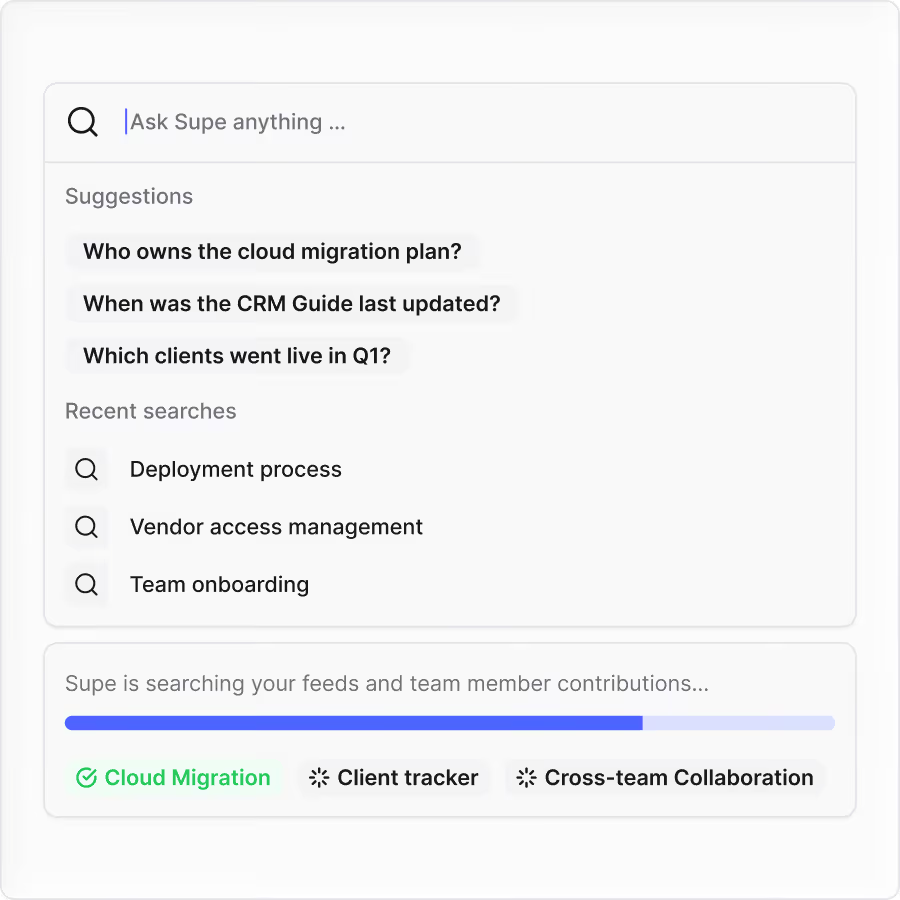
Operational context disappears when projects end or people move on.
Supervised preserves insights, decisions, and operational context as work happens, so internal knowledge survives handoffs or team changes.
Revenue visibility
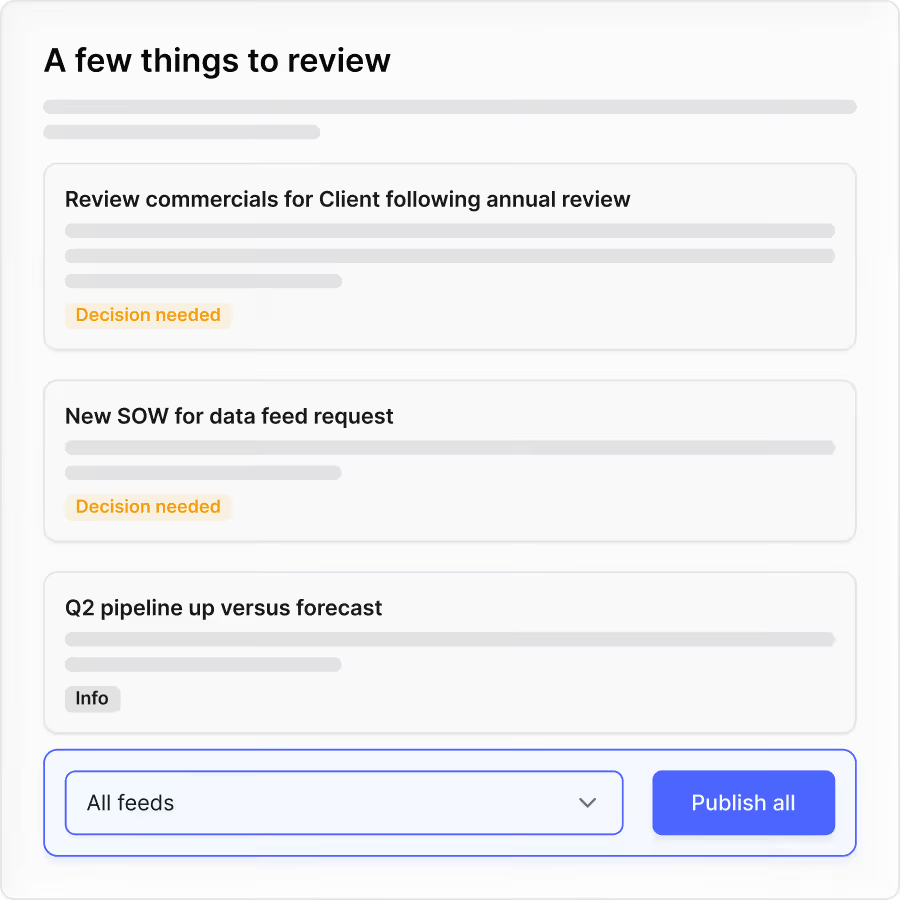
Revenue activity lives across conversations, calls, and scattered updates.
Supervised gathers updates from across the sales organisation and turns them into structured revenue intelligence, giving leadership a clear view of pipeline movement, forecast risks, and emerging opportunities.

People and culture insights
As organisations grow, it becomes harder to understand how teams are really doing.
Supervised captures ongoing team input and turns it into structured insights, giving HR and leadership a real-time view of engagement, alignment, and emerging concerns.
Built for enterprise environments
Security and privacy are built in from the ground up.
ISO 27001 Certified
SOC 2 Compliant
Granular privacy controls
Enterprise authentication and data residency
